Brick Br Creative Agency
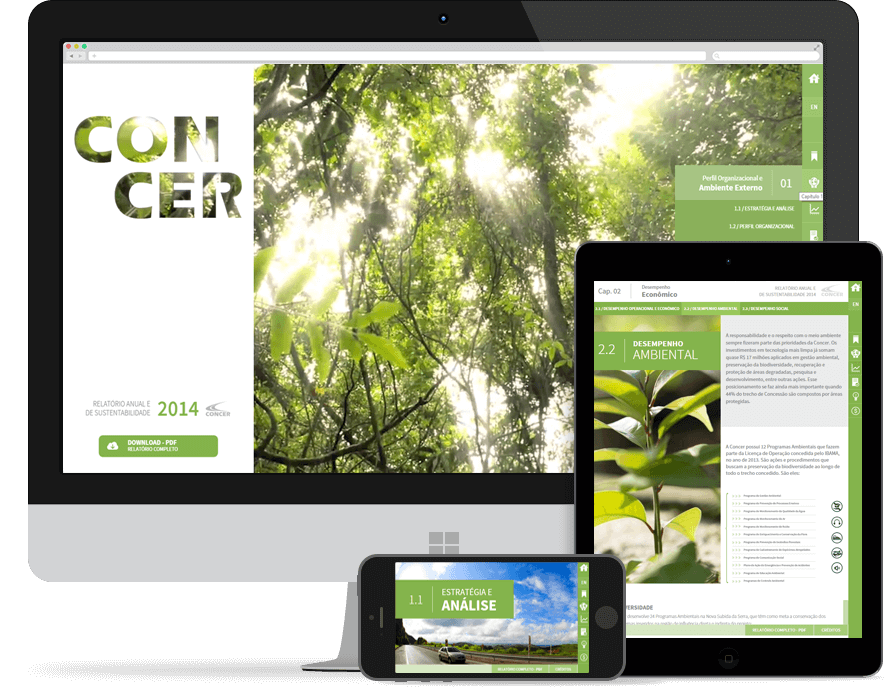
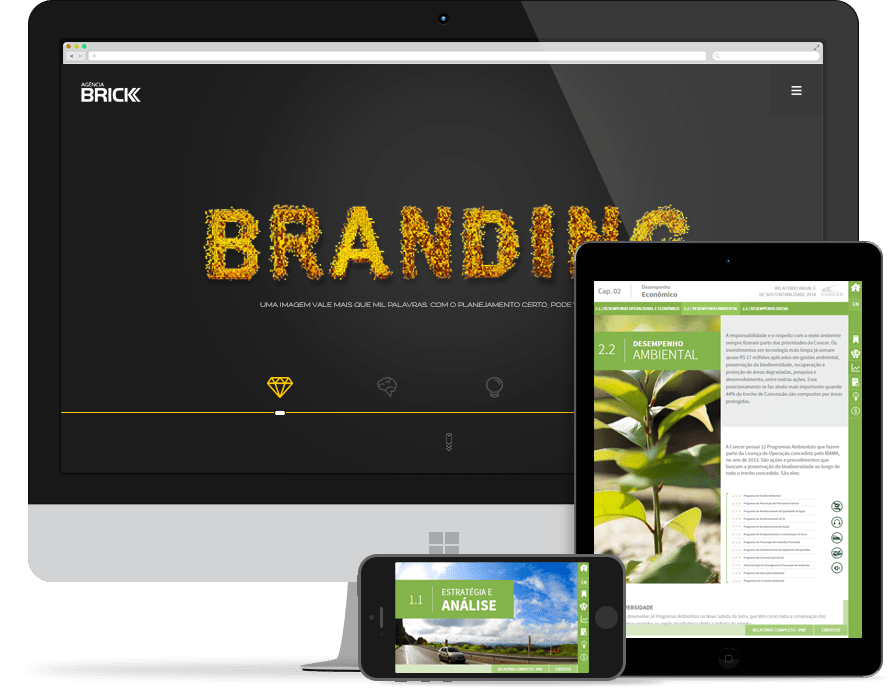
Redesign of Agência Brick’s institutional website and development of digital projects for clients, including the online annual report for CONCER.
Tools


Tags
The Agency
<h2>Brick BR Agency Website Redesign</h2>
Brick BR is a creative agency that operates in both online and offline communication. In 2014, I was hired to work on the creation and maintenance of websites for agency clients as well as for the agency itself. Many of Brick’s accounts were obtained through public bidding processes, which meant working with large projects and, in several cases, public institutions.
Shortly after joining the team, an important challenge emerged. The agency’s institutional website no longer reflected the level of credibility and expertise that the company had already achieved in the market. For that reason, I was asked to lead a complete redesign of the Brick website.
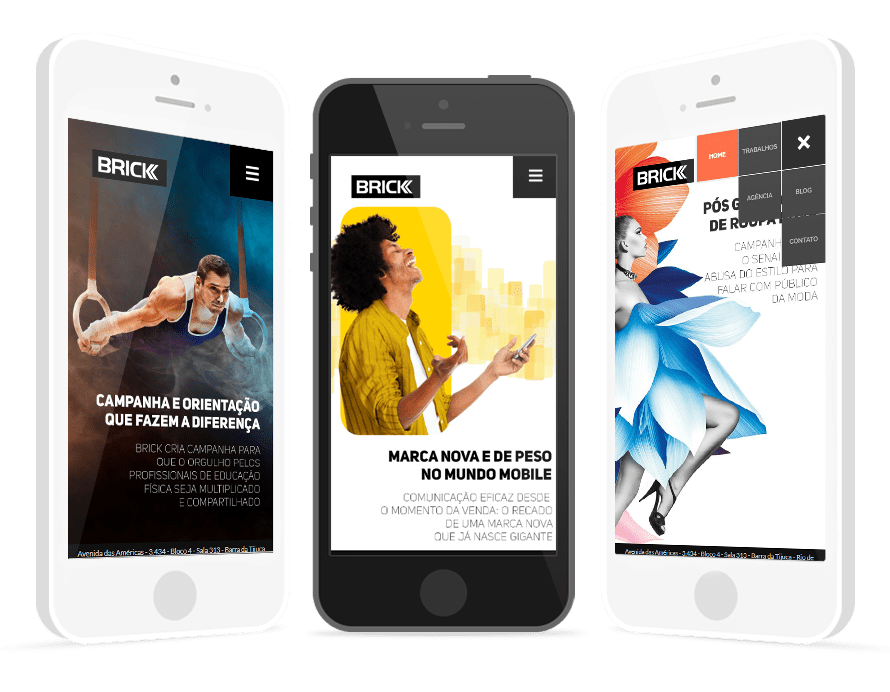
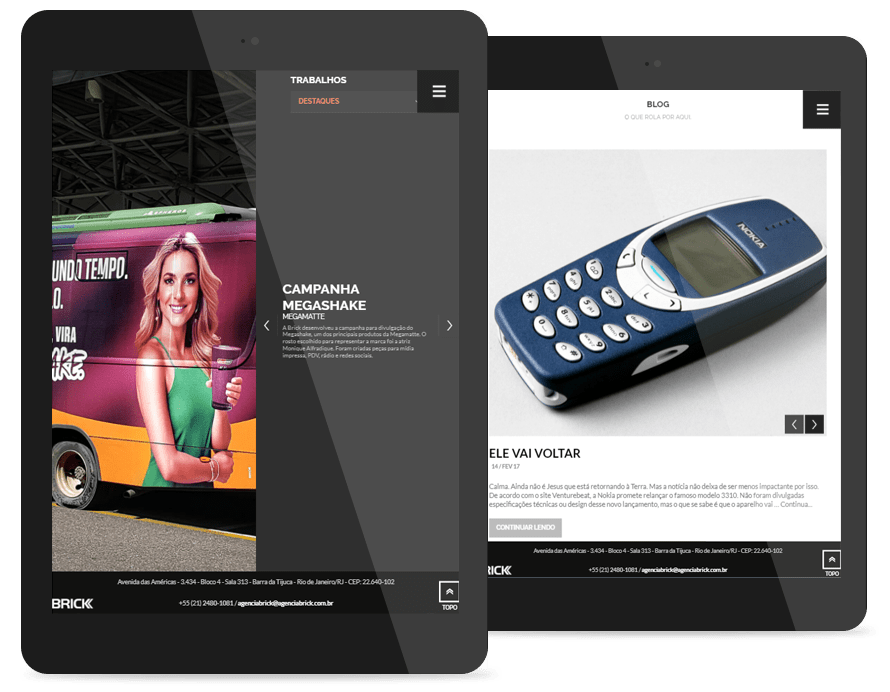
The main challenge of the project was related to navigation and structure. The creative director proposed a OnePage website concept inspired by the visual experience of a mobile application. At the same time, the site still needed to present the agency’s portfolio in a clear and objective way.
Therefore, the key balance of the project was creating a visually impactful interface without making the website excessively long or tiring for the user. The final result was a clean, dynamic, and organized interface that highlighted the agency’s main projects while preserving usability.
The website was developed using HTML5, CSS3, JavaScript, and WordPress as the content management foundation.
Featured project
<h2>CONCER Digital Annual Report</h2>
During my time at Brick BR Agency, I had the opportunity to work on several interesting projects. However, one of the most memorable experiences was developing the web version of the digital annual report for CONCER — Companhia de Concessão Rodoviária Juiz de Fora–Rio.
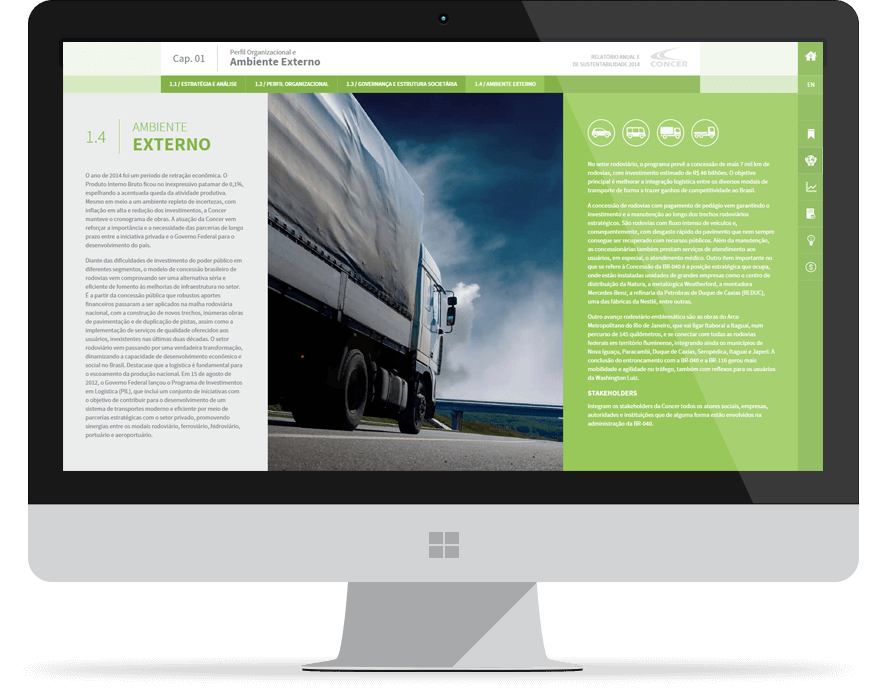
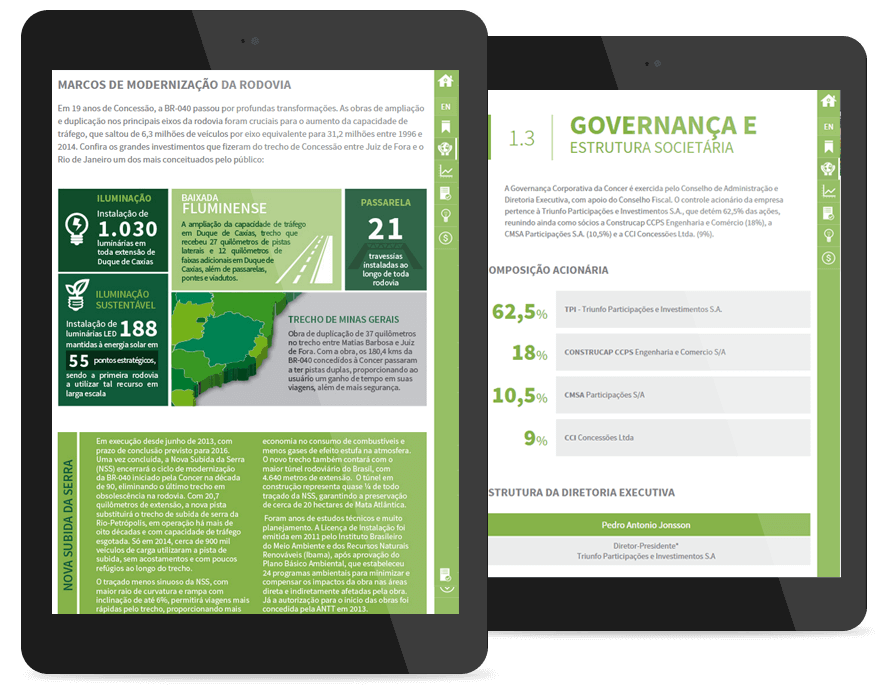
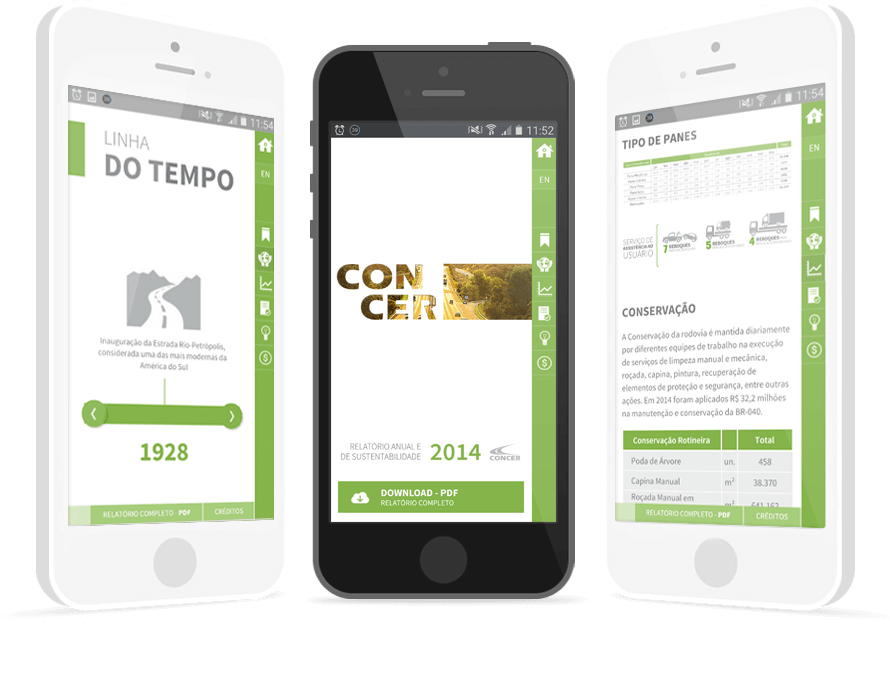
Originally, this report had been designed as a printed magazine. Later, the client requested a digital version in the form of a website. However, there was a clear requirement: the online version needed to preserve the visual identity and layout of the original printed publication as closely as possible.
Because of that, the project required a careful adaptation of editorial design to the web environment. Graphic elements, typography, and content organization were adjusted to maintain the aesthetic of the printed material while ensuring readability and usability on screens.
The project was developed using HTML5, CSS3, JavaScript, and PHP. Since it was a static institutional report, implementing a content management system was not necessary.