Sabe Como Fazer (DIY) Instructional content blog
Sabe Como Fazer was a mixed‑content blog created to teach people how to do things across a variety of topics, from cooking to using specific software.
Categories
Tools


Tags
The Project
During a Digital Marketing postgraduate class, in the SEO — Search Engine Optimization — module, the professor suggested that the final grade should be based on creating a project applying everything we had learned in class. We were instructed to form pairs and develop a website that would have a few months to try to rank well on Google or, at the very least, correctly follow the SEO practices taught during the course.
My partner and I, Roberto Gaspar — now the owner of Titânio Agency — researched some ideas and created a blog called “Sabe Como Fazer” (“Know How to Do It”). The site gathered a variety of instructional content, ranging from “How to cook rice” to “How to improve your PC’s internet connection.” After creating the site and publishing a few initial articles, we ended up setting the project aside for a while. However, when we later reviewed it, we realized the blog was receiving a lot of traffic. Because of this, we decided to continue the project. Over time, we reached around 25,000 followers on our Facebook page — a very significant number at the time — in addition to an average of about 2,000 daily visits, with roughly 1,500 new users per day. Since SEO knowledge in the market was still limited and the blogger boom had not yet happened, the site was able to rank quickly for several pieces of content.
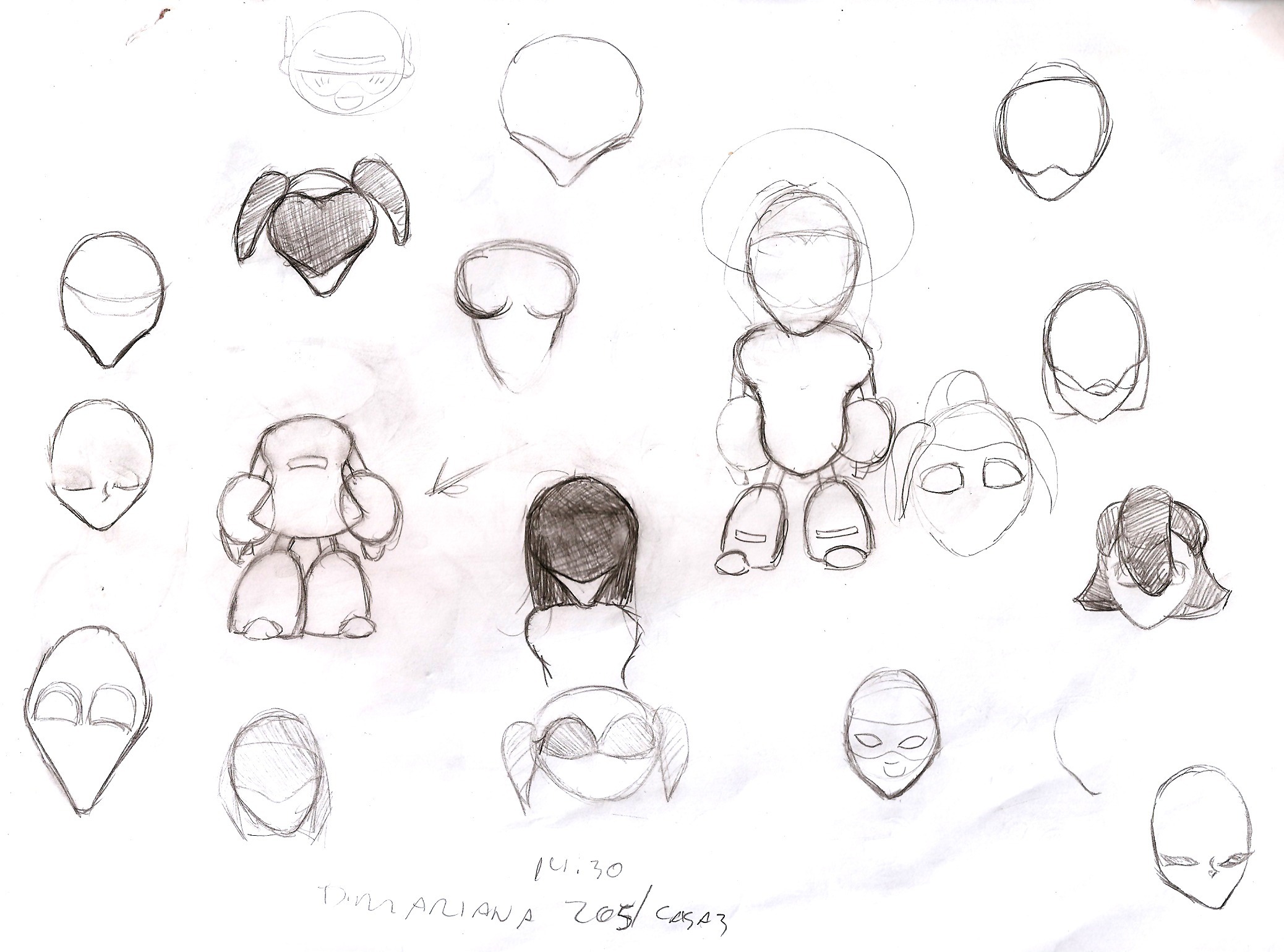
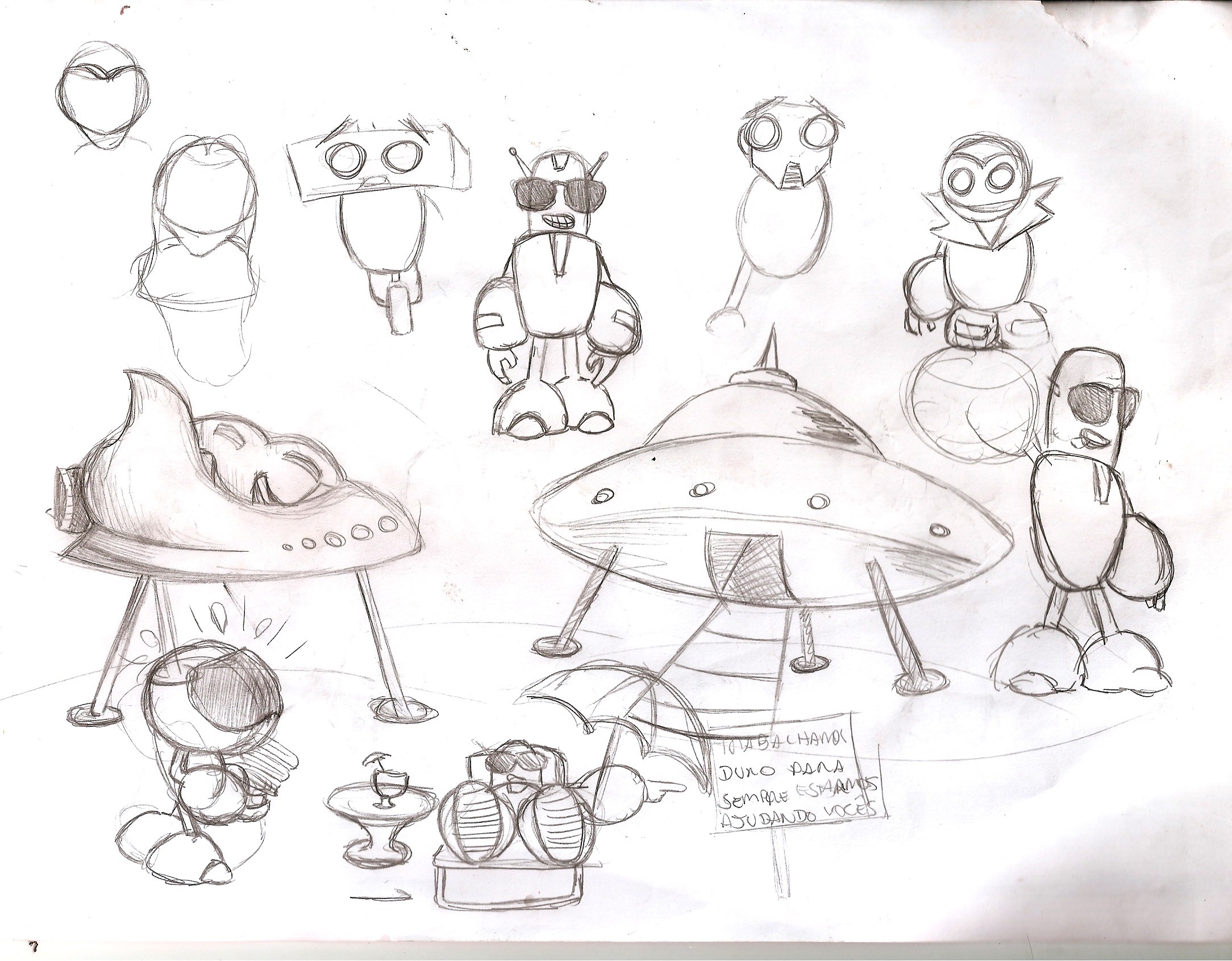
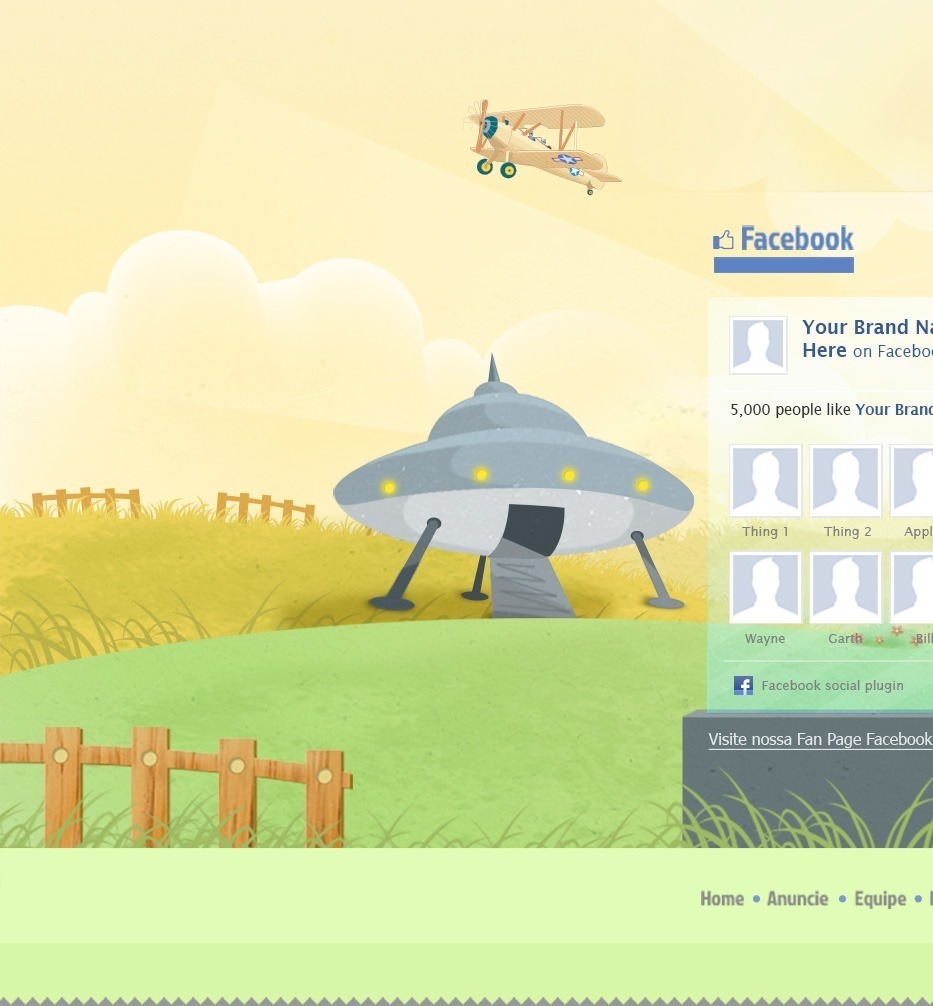
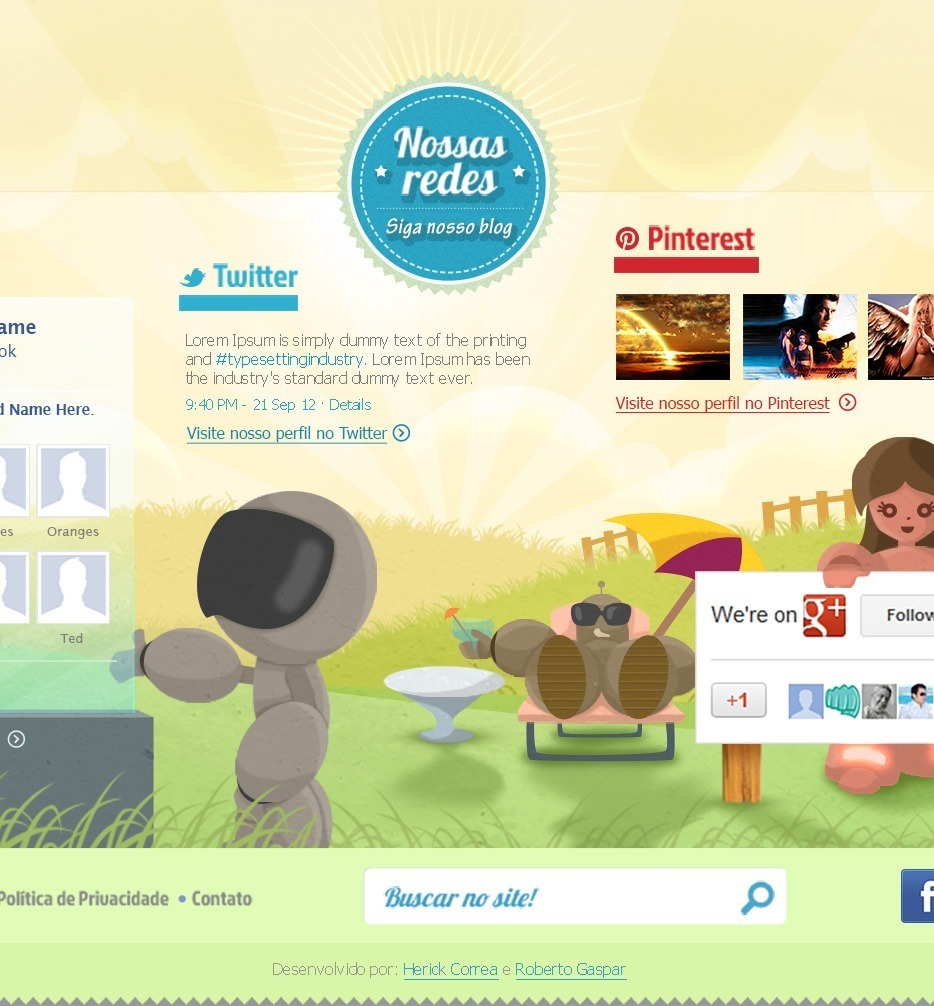
The most interesting version of the project emerged in 2013. By analyzing the access data, we noticed that our audience was mostly young, with an average age between 18 and 25 years old. Based on this insight, we decided to incorporate elements of pop culture and the gaming universe into the site’s design and communication, making the experience more appealing to this user profile.
Over time, new competitors appeared and maintaining the discipline of weekly content production became more difficult. At the same time, our professional routines became more demanding. As a result, the site stopped receiving frequent updates, eventually became technologically outdated, and was later deactivated. The project was developed using HTML5, CSS3, jQuery, and the WordPress platform as the content management base.


Vectorized characters
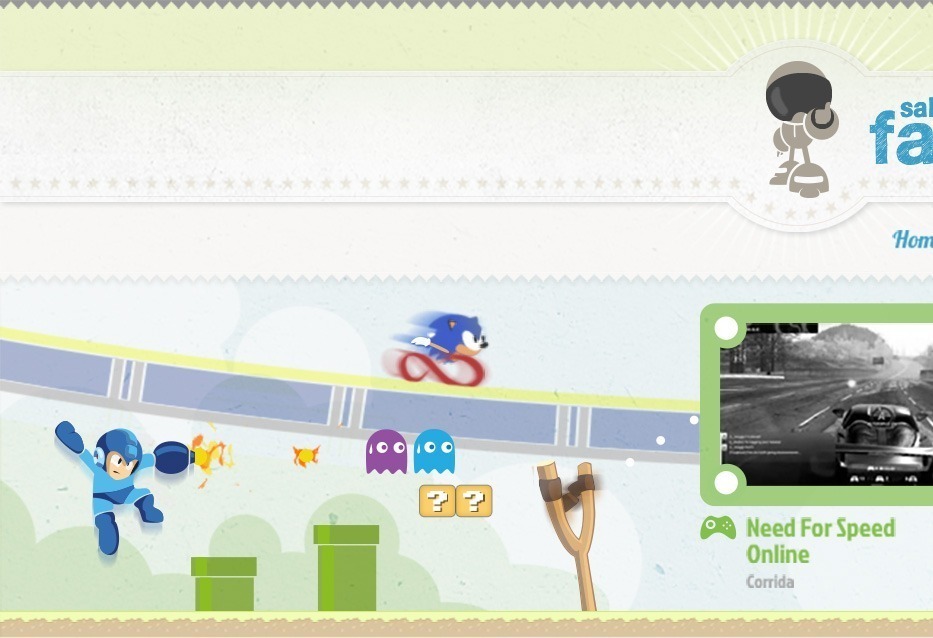
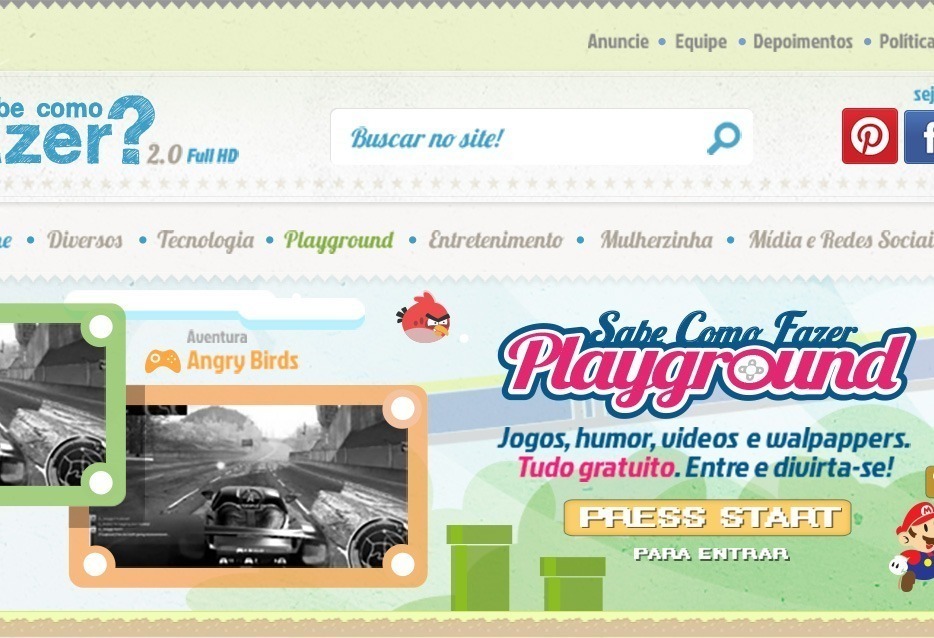
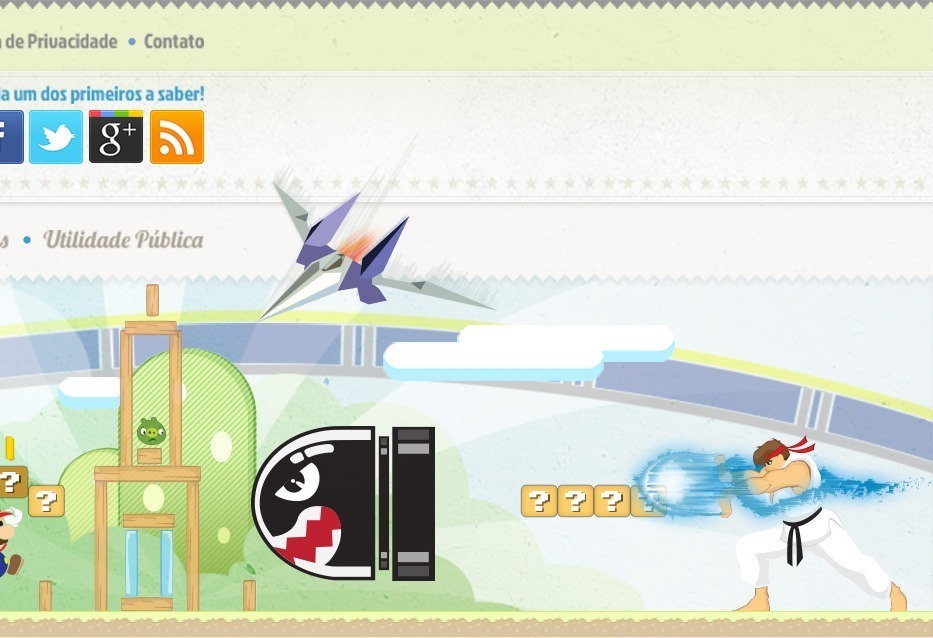
Created and Illustrated Characters